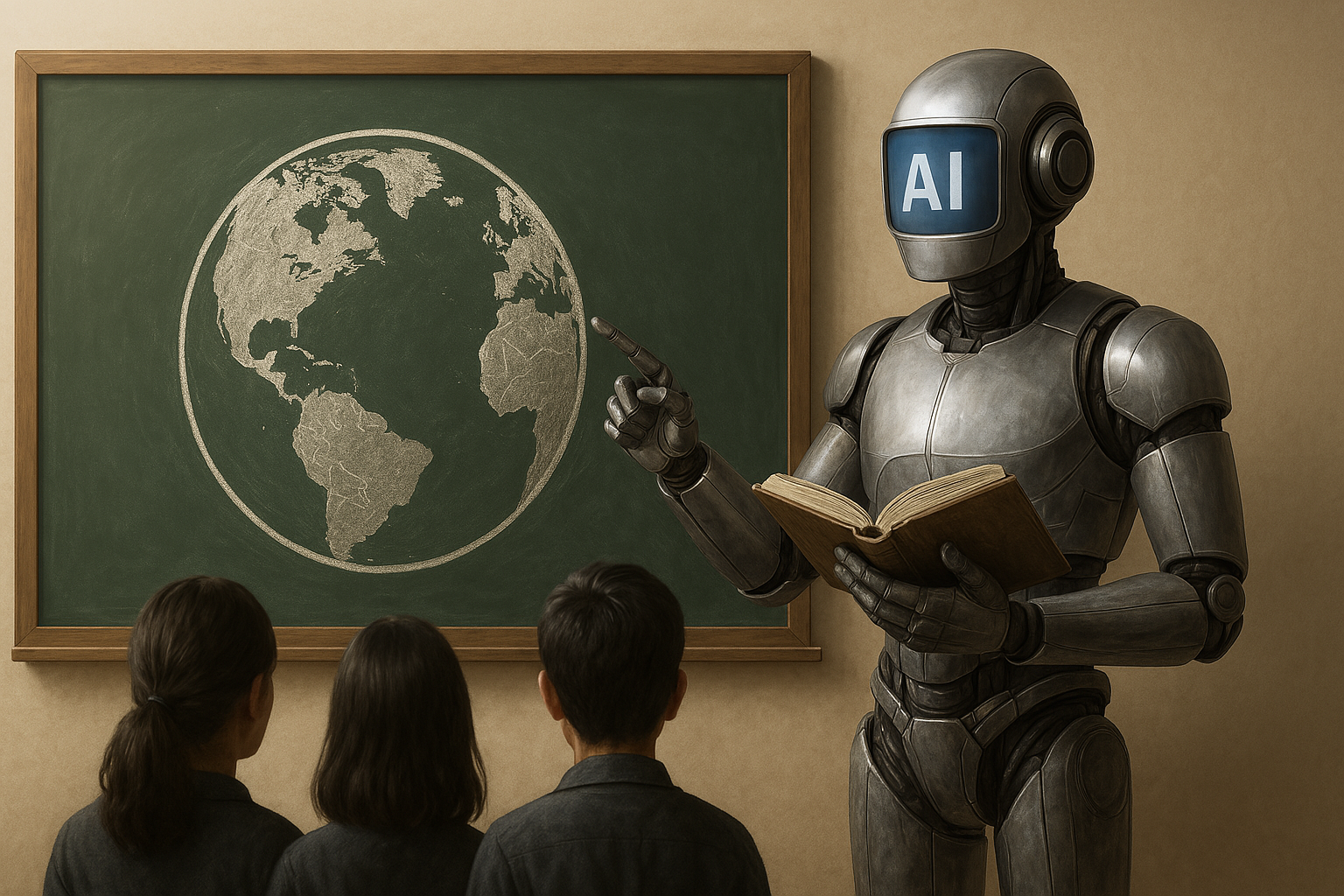
In an era when knowledge is more accessible than ever, artificial intelligence (AI) has the potential to transform education. While AI presents unprecedented opportunities for personalized learning and skill development, it also raises critical questions about human rights, ethical boundaries, and the fundamental purpose of education.
The Promise and Peril of AI in Education
AI’s integration into educational settings has shown remarkable benefits. For example, Alpha School in Texas reported that the inclusion of an AI tutor boosted students’ test scores to the top 2% nationally. These students interacted with the AI assistant for two hours each day, using the rest of their time to develop practical skills such as public speaking and financial literacy. This approach highlights AI’s potential to enhance academic performance while promoting essential life competencies.
However, the rapid adoption of AI in education presents challenges. The ease of accessing information has encouraged a more casual approach to learning, with individuals often delaying education under the assumption that knowledge is always available. Furthermore, economic pressures can render self-improvement a luxury, complicating the pursuit of education even more.
Human Rights Considerations in AI Integration
The deployment of AI in education intersects significantly with human rights, particularly the right to education and the principles of equality and non-discrimination. The United Nations Special Rapporteur on the Right to Education emphasizes the need for a rights-based approach to AI, ensuring its application promotes free, quality education without exacerbating existing inequalities. Concerns include the potential creation of barriers due to the necessity for technological devices and stable internet connectivity, which are not universally accessible.
Additionally, the ethical implications of AI in education encompass privacy, data protection, and the possibility of bias in AI algorithms. It is essential to ensure that AI systems are designed and implemented with transparency and accountability to uphold the dignity and rights of all learners.
Establishing Boundaries: A Bill of Limits on AI Rights
As AI systems become more advanced, discussions about their rights and limitations have gained prominence. I propose a framework to ensure that AI serves humanity without compromising human rights, asserting that AI should be designed for the betterment of mankind, endowed with reason and conscience, and programmed to act towards humanity in a spirit of peace. The document outlines principles such as prohibiting AI from causing harm to humans, ensuring human oversight through mechanisms like a “killswitch,” and denying AI entities the ability to own property or possess citizenship.
This framework emphasizes the importance of setting clear ethical and legal boundaries for AI, especially in education, to avoid potential overreach and ensure that AI continues to be a tool that supports rather than undermines human development.
Balancing Innovation with Ethical Oversight
While AI presents immense potential to transform education, it is crucial to balance innovation with ethical oversight. Governments and educational institutions play an essential role in regulating AI’s application in classrooms, ensuring it aligns with human rights principles and fosters equitable access to quality education. This includes addressing data privacy concerns, preventing discrimination, and maintaining human oversight to avoid biases inherent in AI systems.
The integration of AI into education offers both opportunities and challenges. By proactively establishing ethical guidelines and legal frameworks, we can harness AI’s potential to enhance learning while safeguarding human rights and dignity. As we navigate this new frontier, it is essential to remain vigilant, ensuring that AI serves as a tool for empowerment and inclusivity rather than a source of division or oppression.

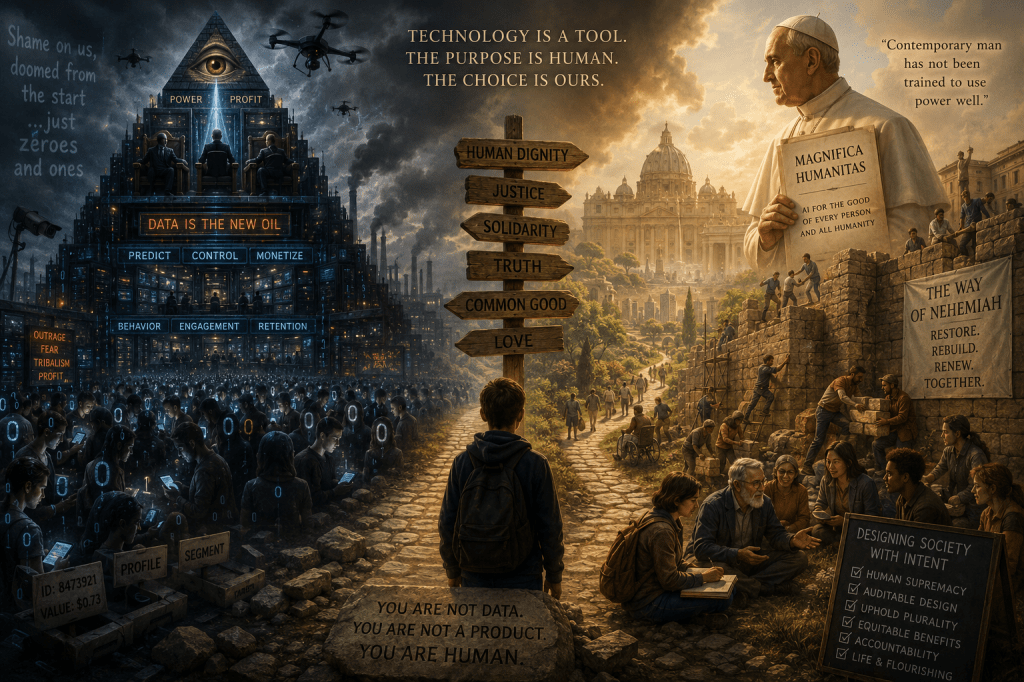
 Playing with Sharp Objects.